

Automating Data Quality Controls Across High-Volume Pipelines
Key Takeaways High-volume data pipelines create more quality risk than manual review can realistically control. A customer pipeline may process […]
Key Takeaways High-volume data pipelines create more quality risk than manual review can realistically control. A customer pipeline may process […]

Key Takeaways Distributed data systems create quality risks that are difficult to see from one pipeline, warehouse, dashboard, or application.

Key Takeaways Reference data looks small compared with transactional data, customer records, telemetry streams, or warehouse tables. However, it often

Key Takeaways Data warehouses and analytics platforms depend on trusted data across source systems, ingestion pipelines, transformation models, semantic layers,

Key Takeaways Sales and revenue operations depend on accurate CRM data across accounts, contacts, opportunities, pipeline stages, customer records, marketing

Data Quality Services have become the reliability layer of enterprise data operations. As organizations scale analytics, AI systems, reporting, external

Key Takeaways Data quality maturity is one of the clearest measures of enterprise readiness because it shows whether an organization

Key Takeaways Poor data quality costs become visible when defects stop being isolated data issues and start slowing business decisions.

Key Takeaways Data quality governance determines whether quality issues are corrected at the root cause or repeatedly rediscovered across dashboards,

Key Takeaways Data Quality at Scale requires more than technical controls because enterprise data quality problems are rarely solved by

Key Takeaways Continuous data quality becomes necessary when one-time remediation no longer keeps enterprise data reliable. A cleanup project can

Key Takeaways Enterprise data pipelines become fragile when they grow as isolated jobs instead of managed architecture. A warehouse load

Key Takeaways Enterprise data engineering teams cannot manage high-volume workflows reliably through manual coordination. As pipelines scale across customer data,

Key Takeaways AI and machine learning platforms depend on reliable data engineering across source systems, feature stores, training datasets, model
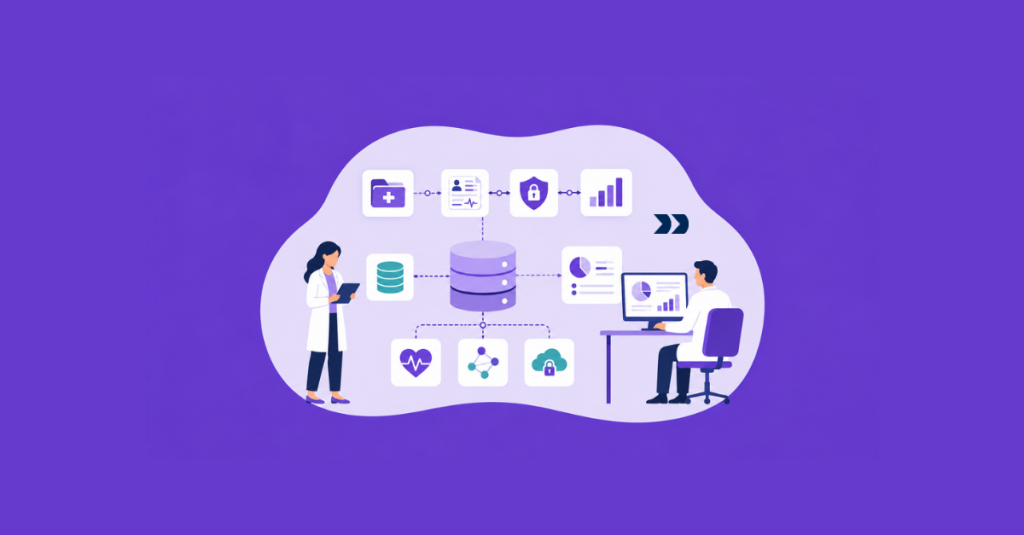
Key Takeaways Healthcare analytics infrastructure depends on reliable data engineering across electronic health records, claims systems, laboratory platforms, imaging repositories,