Web Scraping News & Updates

Our blogs will empower you with the necessary knowledge about web scraping and data market. They will enhance your understanding of how beneficial data extraction and analysis can be in your business and show you how to use them effectively.

Filter posts by category

Customer Sentiment

How Do Retailers Use Competitor Reviews to Detect Product-Quality Signals and Candidate Assortment Needs?

Key Takeaways Competitor reviews can tell retailers things that price, assortment, and availability data cannot. Customers describe products as too […]


Share of Search

How Can DTC Brands Use Search Demand to Detect Competitor Momentum Before Sales Data Changes?

Key Takeaways DTC brands can quickly observe sales, traffic, conversion, and revenue. Those internal measures can’t directly show how search

Retail Merchandising

How Can Merchandising Teams Use Competitor Assortment, Pricing, and Promotion Data?

Key Takeaways Merchandising teams make decisions across product range, inventory depth, pricing position, promotions, markdowns, seasonal timing, and category presentation.

Price Optimization

How Do Retailers Use Competitor Data for Price Optimization Without Starting a Race to the Bottom?

Key Takeaways Competitor prices matter, but they are not pricing instructions. A retailer may observe a rival selling the same

Brand Protection

How Do Luxury Brands Detect Counterfeit and Unauthorized Listings Across Online Marketplaces?

Key Takeaways Luxury brands can encounter the same product identity, trademark, imagery, or design across marketplaces, resale platforms, regional ecommerce

Assortment Planning

How Do Retailers Use Competitor Catalog Data to Find Assortment Gaps?

Key Takeaways A competitor may carry more sizes, additional pack formats, another price band, a broader shade range, or product

Dynamic Pricing

How Should Retailers Use Competitor Data in Dynamic Pricing Without Chasing Short-Term Noise?

Key Takeaways A competitor lowers a price for six hours. A marketplace seller runs a temporary promotion. A grocery item

Product Information Management

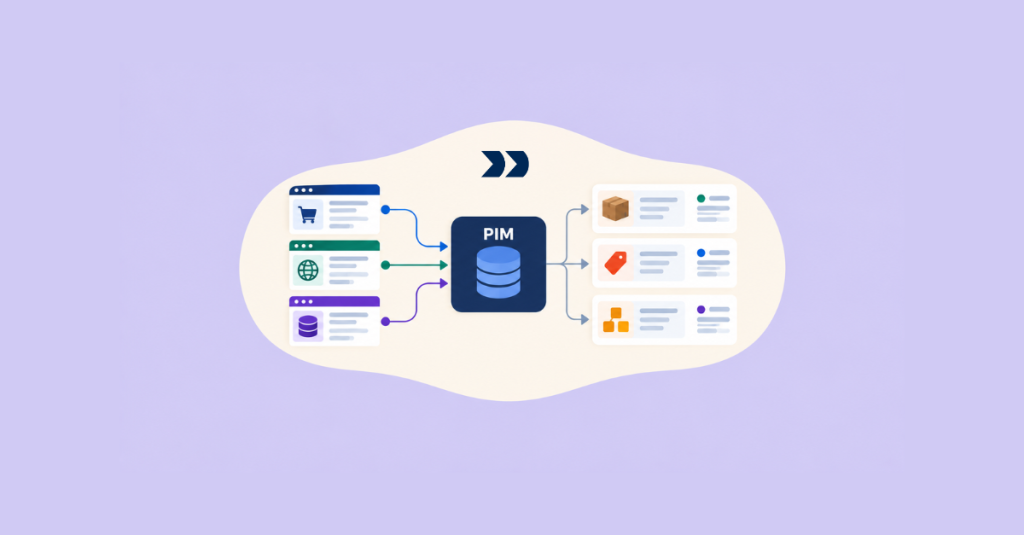
How Do Retailers Bring Competitor Product Data Into Product Information Management Systems?

Key Takeaways PIM Should Manage Approved Product Content, Not Blindly Import External Data A competitor product page may expose a

Retail Analytics

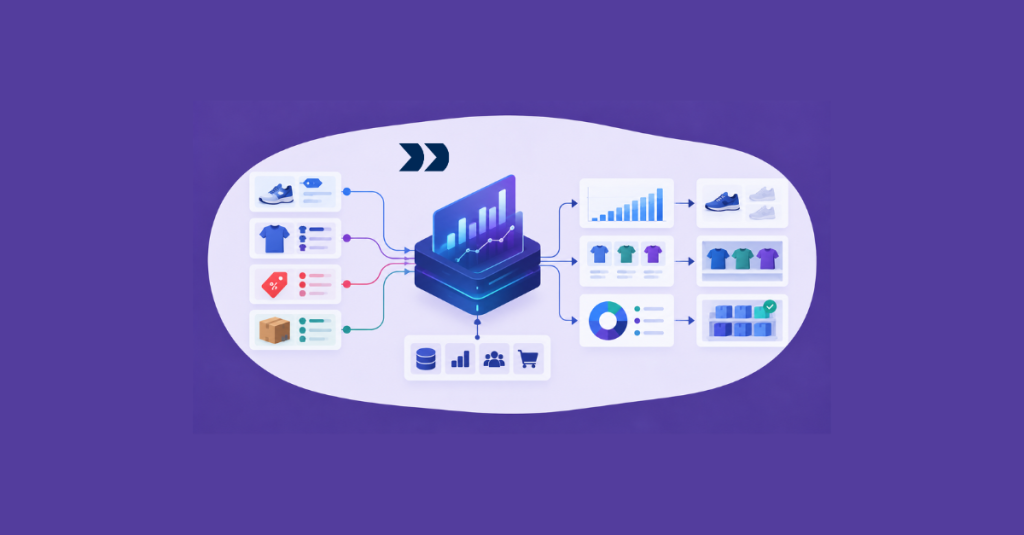
How Can Retailers Combine Competitor Prices, Assortments, and Stock Signals With Internal Retail Analytics?

Key Takeaways Internal and external retail data rarely arrive in a form that can simply be joined together. A retailer

Category Management

How Can Retail Category Teams Use Competitor Prices, Assortments, and Promotions to Make Better Category Decisions?

Key Takeaways A category can lose sales while competitors hold prices steady. Another can grow while rivals increase promotions. A

MAP Monitoring

How Do Electronics Brands Monitor MAP Violations Across Retailers and Marketplaces?

Key Takeaways Electronics brands can encounter the same product across major retailers, marketplaces, third-party sellers, regional storefronts, bundles, refurbished listings,

Home Improvement Price Monitoring

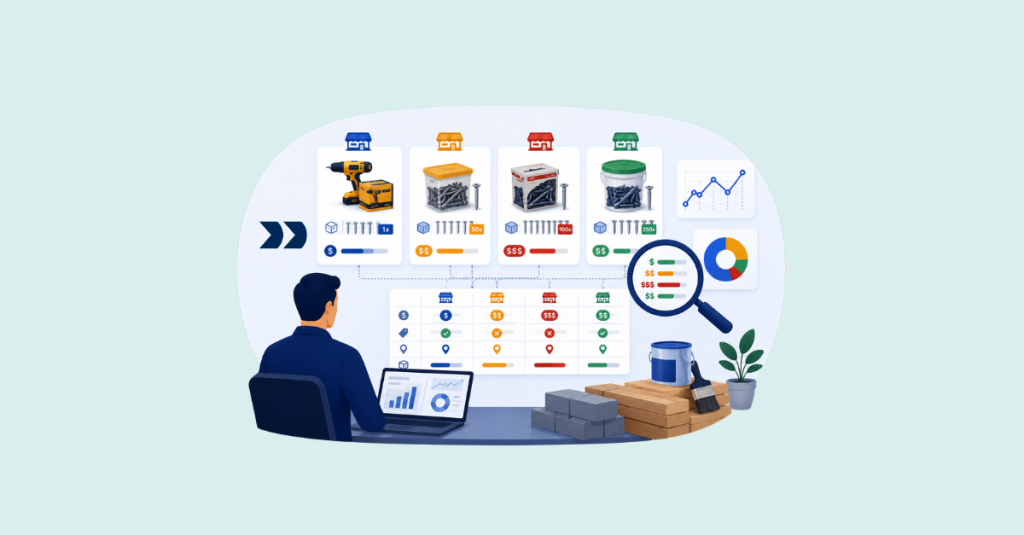
How Do Home Improvement Retailers Compare Prices When Pack Counts and Store-Level Pricing Differ?

Key Takeaways Home improvement prices are difficult to compare because the number displayed on a product page is often only

Furniture Product Matching

How Do Furniture Retailers Match Comparable Products When Names, Dimensions, and Materials Differ?

Key Takeaways Furniture retailers rarely describe comparable products in the same way. A sofa may be labeled “linen,” “performance weave,”

Retail Market Intelligence

Retail Market Intelligence: From Competitor Data to Pricing and Assortment Decisions

Retail teams usually understand their own business better than they understand the market around it. Internal systems can show sales,

Product Matching

Product Matching: How Ecommerce Teams Compare Products Without Shared SKUs

Key Takeaways Ecommerce teams cannot compare competitor pricing reliably until they know which products are actually comparable. That is straightforward