Corporate Solutions

With these articles, companies can discover ways to acquire external information and gain invaluable business intelligence.

This series of posts is designed to show companies how they can gather data efficiently. We will explore the different types of corporate-oriented use cases and their respective solutions.

Reading this series will equip you with the necessary knowledge to drive strategic decisions and create a data-driven organization.

Filter posts by category

Category Management

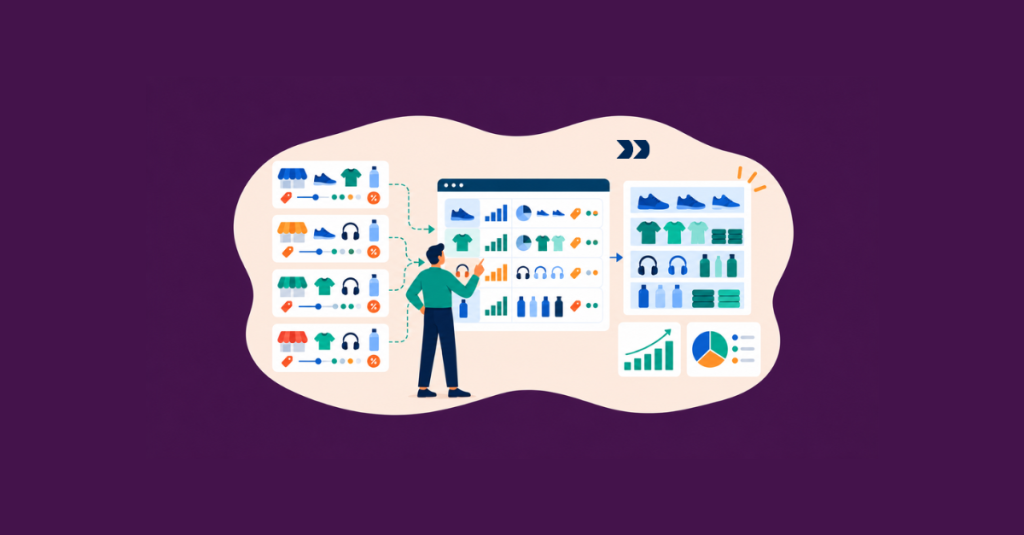
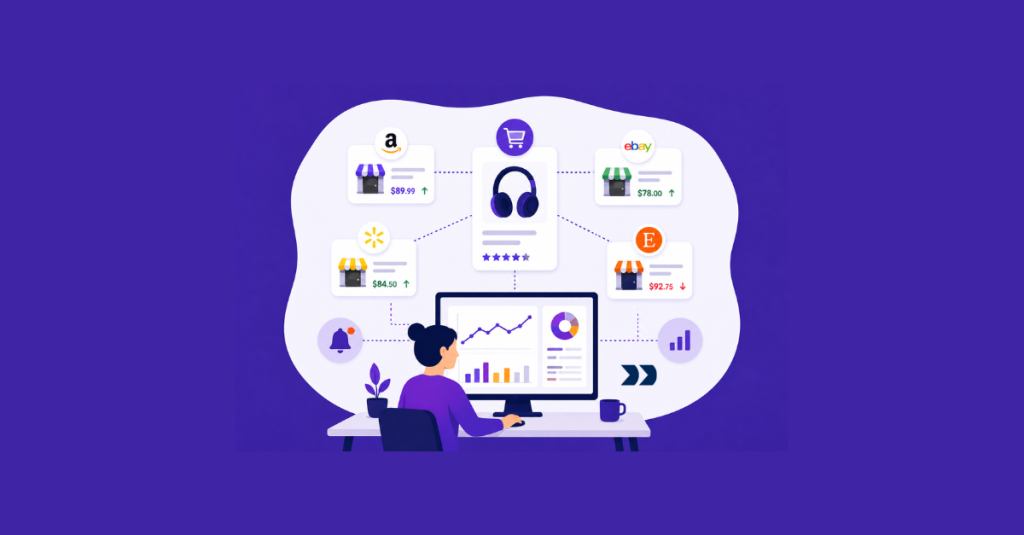
How Can Retail Category Teams Use Competitor Prices, Assortments, and Promotions to Make Better Category Decisions?

A category can lose sales while competitors hold prices steady. Another can grow while rivals increase promotions. A competitor may […]

Retail Analytics

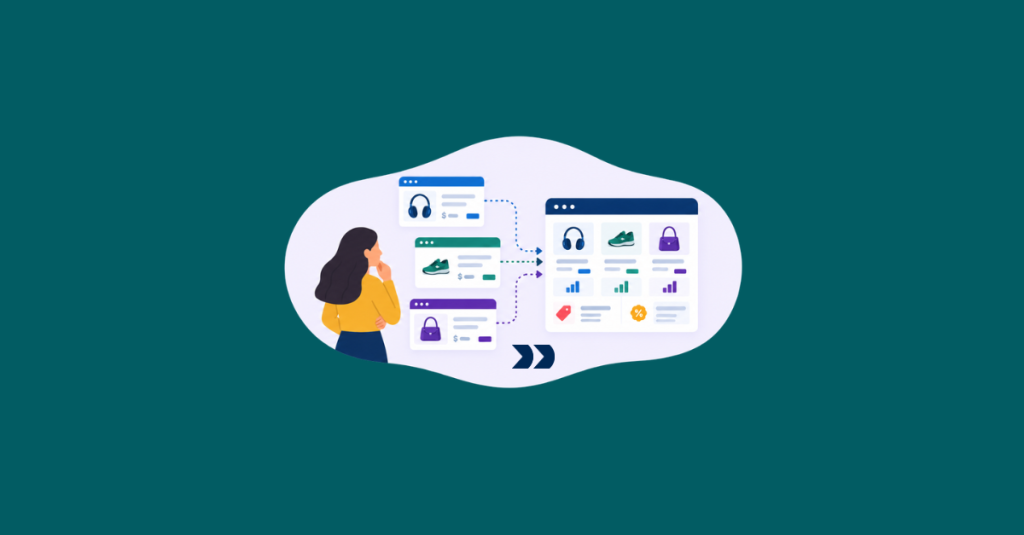
How Can Retailers Combine Competitor Prices, Assortments, and Stock Signals With Internal Retail Analytics?

Internal and external retail data rarely arrive in a form that can simply be joined together. A retailer may record

Price Optimization

How Do Retailers Use Competitor Data for Price Optimization Without Starting a Race to the Bottom?

Competitor prices matter, but they are not pricing instructions. A retailer may observe a rival selling the same product for

Share of Search

How Can DTC Brands Use Search Demand to Detect Competitor Momentum Before Sales Data Changes?

DTC brands can observe sales, traffic, conversion, and revenue quickly. What those internal measures cannot show directly is how search

Home Improvement Price Monitoring

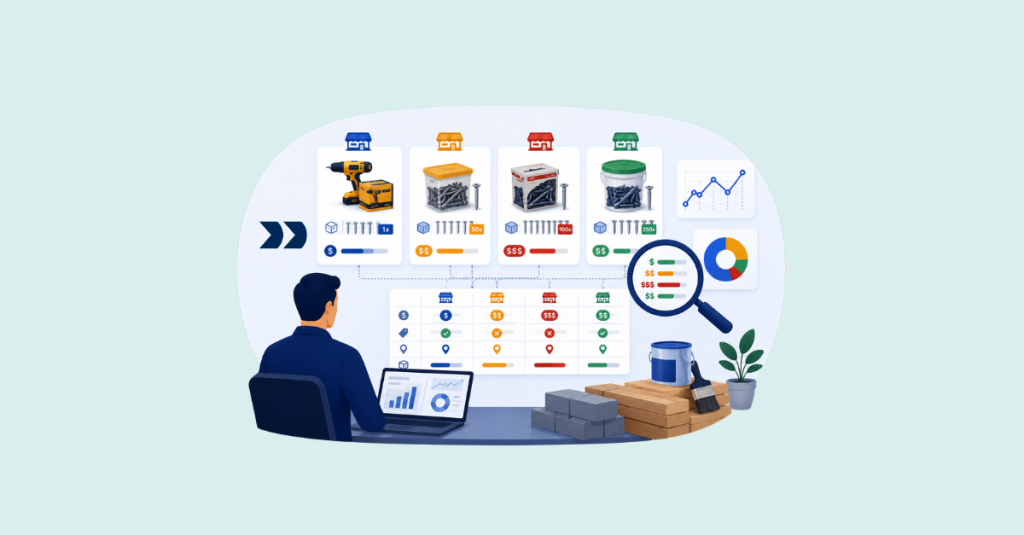
How Do Home Improvement Retailers Compare Prices When Pack Counts and Store-Level Pricing Differ?

Key Takeaways Home improvement prices are difficult to compare because the number displayed on a product page is often only

Furniture Product Matching

How Do Furniture Retailers Match Comparable Products When Names, Dimensions, and Materials Differ?

Key Takeaways Furniture retailers rarely describe comparable products in the same way. A sofa may be labeled “linen,” “performance weave,”

Product Matching

Product Matching: How Ecommerce Teams Compare Products Without Shared SKUs

Key Takeaways Ecommerce teams cannot compare competitor pricing reliably until they know which products are actually comparable. That is straightforward

Marketplace Seller Monitoring

How Do Brands Monitor Multiple Marketplace Sellers Offering the Same Product at Different Prices?

Key Takeaways Marketplace pricing is rarely represented by one seller or one price. The same branded product may appear through

Competitor Price API

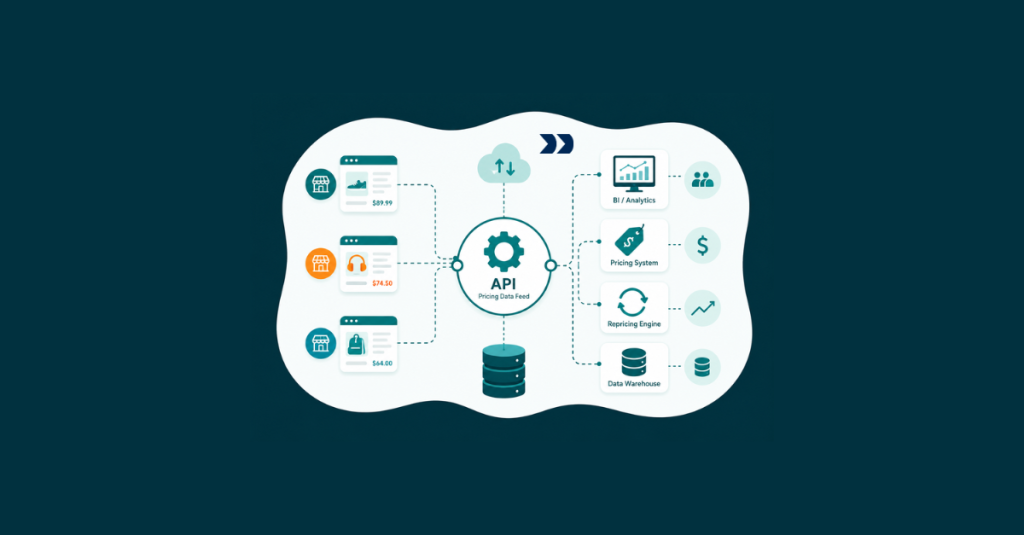
How Do Enterprise Retailers Feed Competitor Pricing Data Into BI, Pricing, and Repricing Systems?

Key Takeaways Enterprise retailers often collect competitor prices before they have a reliable way to operationalize them. A pricing analyst

Data Quality Rules

Designing Data Quality Rules That Scale Across Enterprise Systems

Key Takeaways • Data Quality Rules define the validation logic, business expectations, thresholds, and control checks used to determine whether

Data Quality Testing

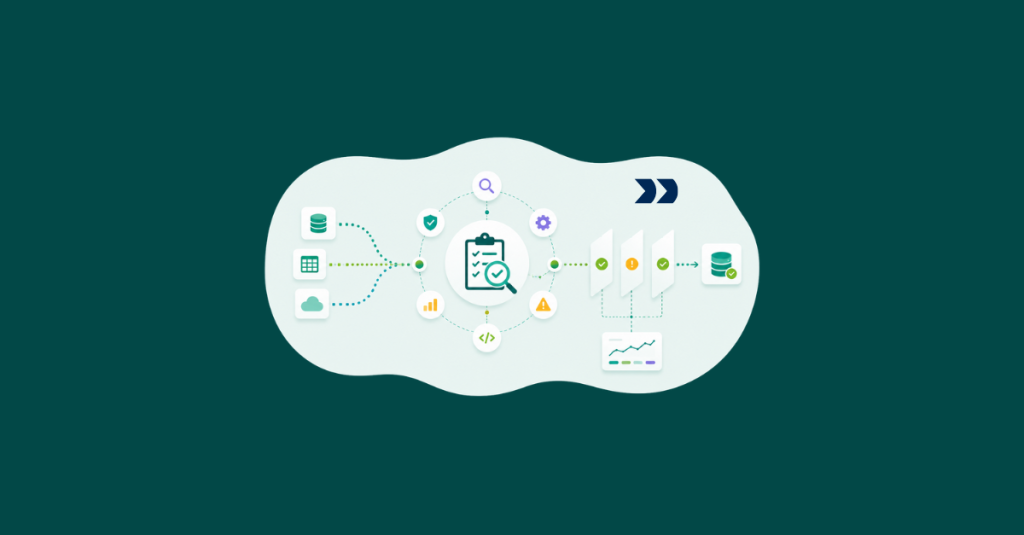
Data Quality Testing for Production Data Pipelines

Key Takeaways Production data pipelines are not reliable simply because jobs run successfully. A pipeline can complete on schedule while

Data Quality Remediation

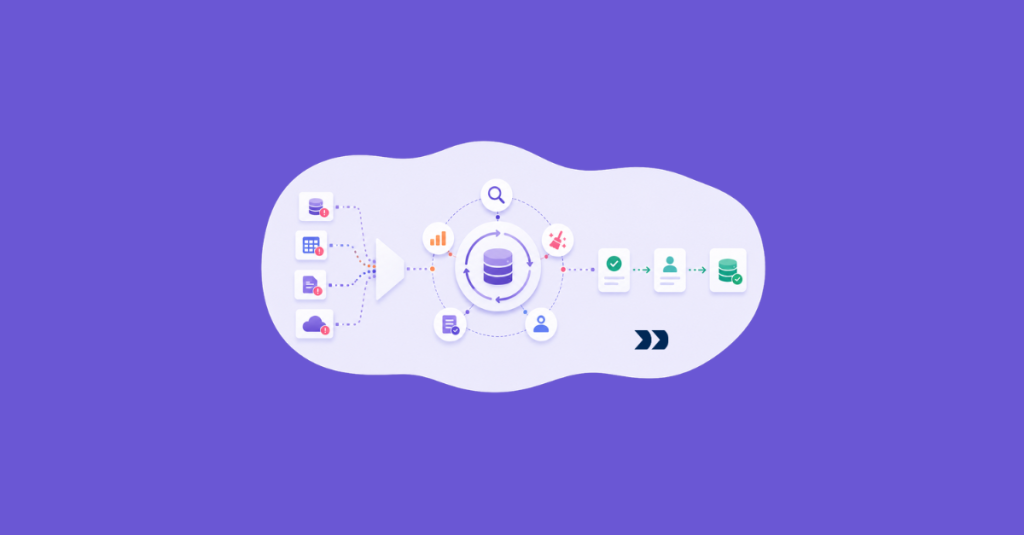
Data Quality Remediation Workflows for Enterprise Data Platforms

Key Takeaways Enterprise data quality programs often detect defects faster than they resolve them. A validation rule fails, a dashboard

Business Intelligence Data Quality

Data Quality for Business Intelligence and Executive Reporting

Key Takeaways Business intelligence and executive reporting depend on accurate data across ERP systems, CRM platforms, finance tools, revenue systems,

ML Data Quality

Data Quality for Machine Learning Feature Pipelines

Key Takeaways Machine learning feature pipelines depend on reliable data quality across source systems, event streams, data warehouses, feature stores,

Data Quality Operating Model

When Data Quality Becomes an Operating Model Problem

Key Takeaways Data quality becomes an operating model problem when defects continue to appear even after technical fixes, validation rules,