
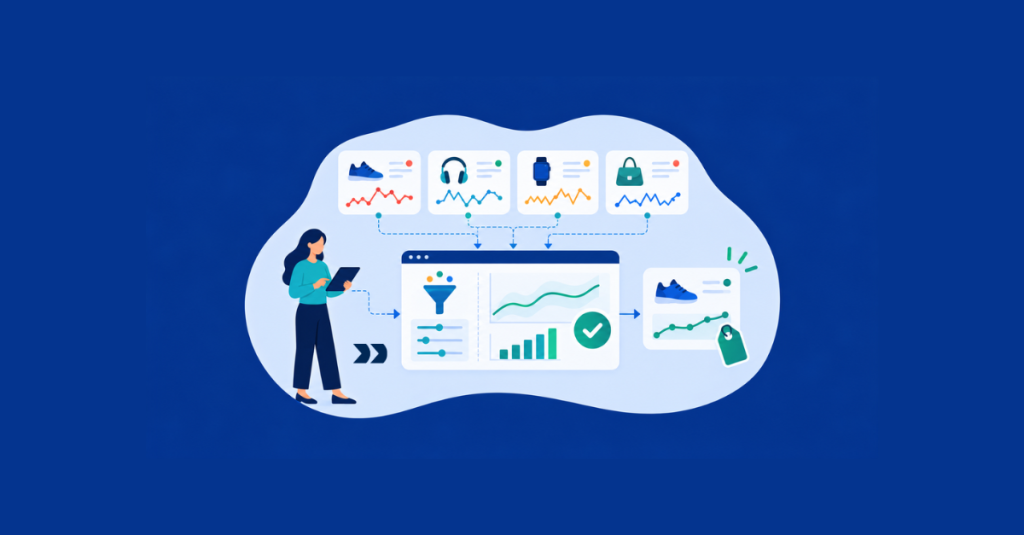
How Should Retailers Use Competitor Data in Dynamic Pricing Without Chasing Short-Term Noise?
A competitor lowers a price for six hours. A marketplace seller runs a temporary promotion. A grocery item appears cheaper […]
A competitor lowers a price for six hours. A marketplace seller runs a temporary promotion. A grocery item appears cheaper […]
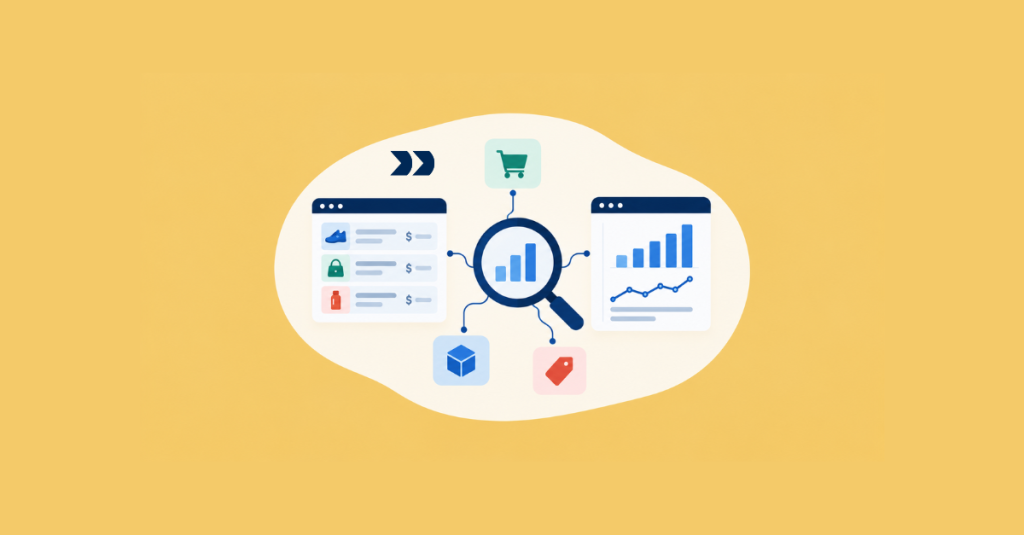
A competitor may carry more sizes, additional pack formats, another price band, a broader shade range, or product types that
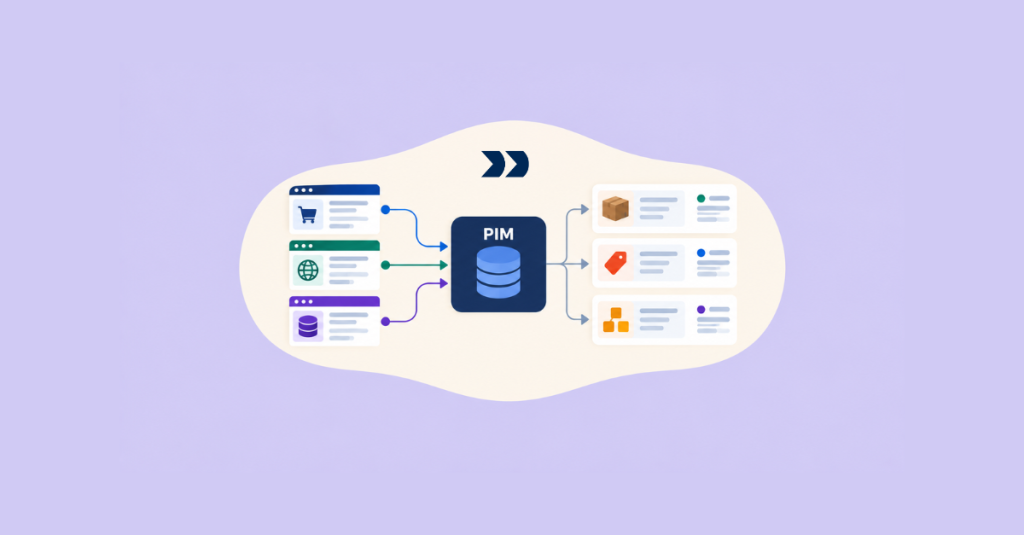
A competitor product page may expose a specification that is missing internally. Another may organize variants more clearly. Several competitors
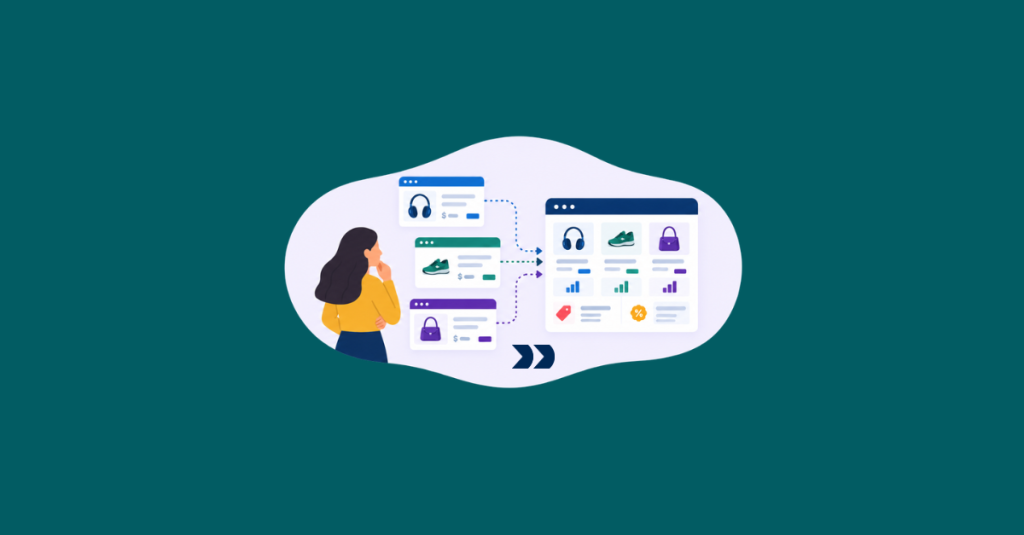
Merchandising teams make decisions across product range, inventory depth, pricing position, promotions, markdowns, seasonal timing, and category presentation. Internal data

Luxury brands can encounter the same product identity, trademark, imagery, or design across marketplaces, resale platforms, regional ecommerce sites, social-commerce
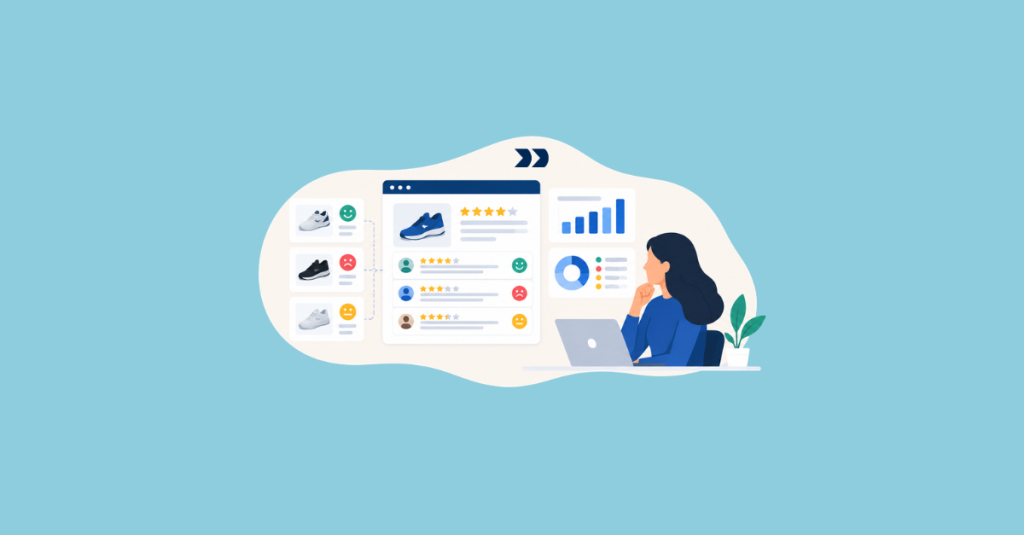
Competitor reviews can tell retailers things that price, assortment, and availability data cannot. Customers describe products as too small, difficult

Key Takeaways Electronics brands can encounter the same product across major retailers, marketplaces, third-party sellers, regional storefronts, bundles, refurbished listings,

Retail teams usually understand their own business better than they understand the market around it. Internal systems can show sales,

Key Takeaways Grocery prices are difficult to compare because supermarkets rarely compete on simple one-to-one product prices. The same product

Key Takeaways Fashion prices are difficult to compare because a product rarely has one clean competitive price. The same style

Key Takeaways A beauty product can be live on a retailer’s website and still have serious digital shelf gaps. A

Key Takeaways High-volume data pipelines create more quality risk than manual review can realistically control. A customer pipeline may process

Key Takeaways Distributed data systems create quality risks that are difficult to see from one pipeline, warehouse, dashboard, or application.

Key Takeaways Reference data looks small compared with transactional data, customer records, telemetry streams, or warehouse tables. However, it often

Key Takeaways Data warehouses and analytics platforms depend on trusted data across source systems, ingestion pipelines, transformation models, semantic layers,