

How Can Retailers Combine Competitor Prices, Assortments, and Stock Signals With Internal Retail Analytics?
Key Takeaways Internal and external retail data rarely arrive in a form that can simply be joined together. A retailer
Key Takeaways Internal and external retail data rarely arrive in a form that can simply be joined together. A retailer
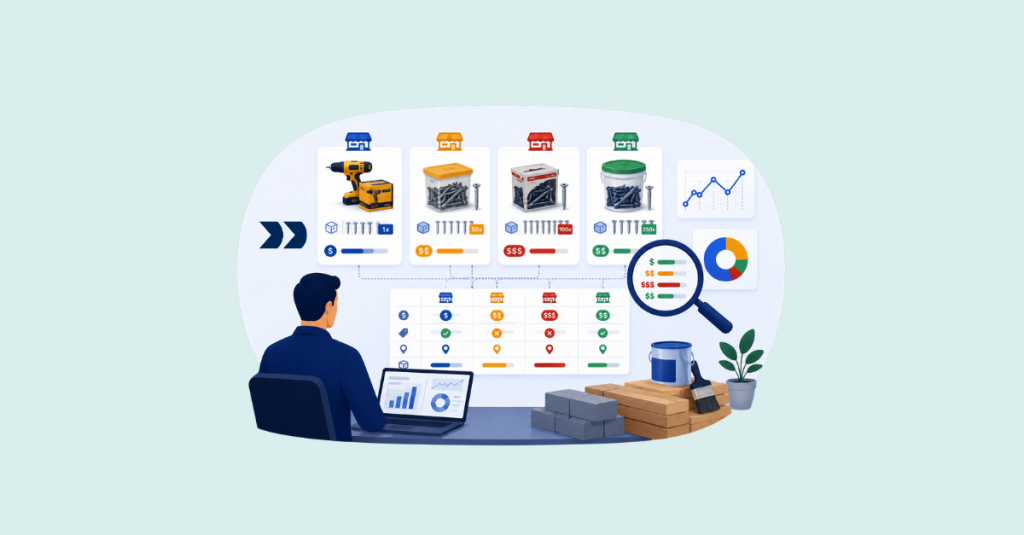
Key Takeaways Home improvement prices are difficult to compare because the number displayed on a product page is often only

Key Takeaways Furniture retailers rarely describe comparable products in the same way. A sofa may be labeled “linen,” “performance weave,”

Key Takeaways Ecommerce teams cannot compare competitor pricing reliably until they know which products are actually comparable. That is straightforward
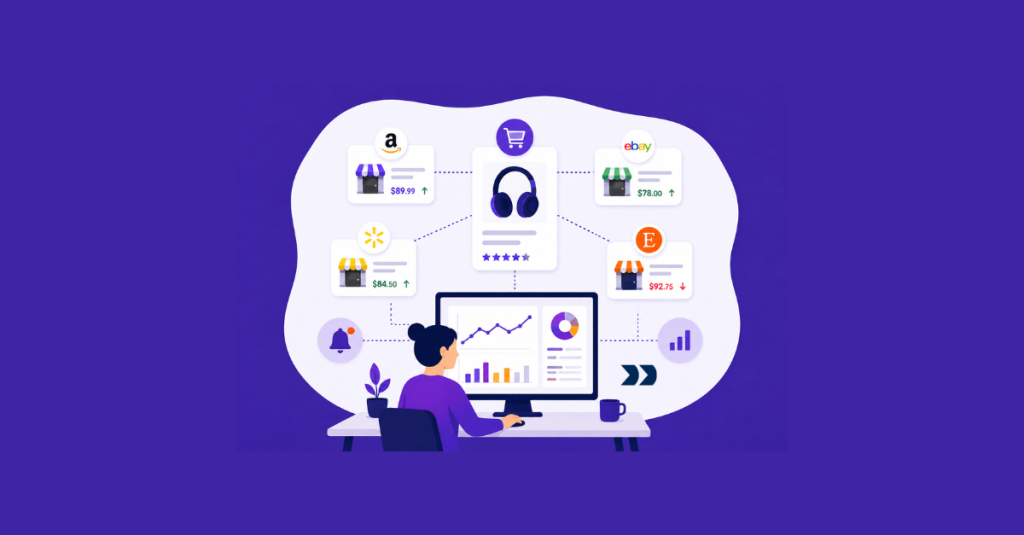
Key Takeaways Marketplace pricing is rarely represented by one seller or one price. The same branded product may appear through
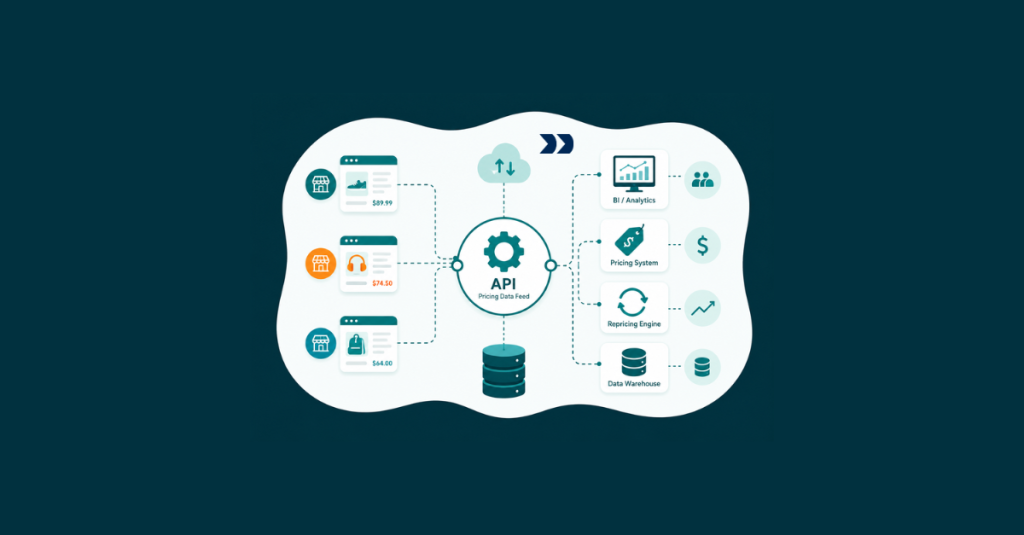
Key Takeaways Enterprise retailers often collect competitor prices before they have a reliable way to operationalize them. A pricing analyst

Key Takeaways • Data Quality Rules define the validation logic, business expectations, thresholds, and control checks used to determine whether

Key Takeaways Production data pipelines are not reliable simply because jobs run successfully. A pipeline can complete on schedule while
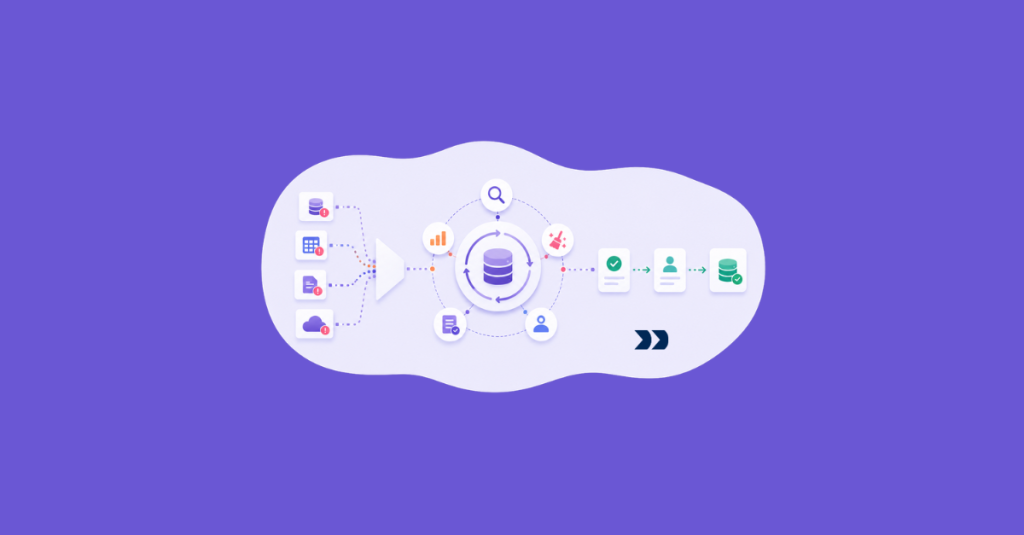
Key Takeaways Enterprise data quality programs often detect defects faster than they resolve them. A validation rule fails, a dashboard

Key Takeaways Business intelligence and executive reporting depend on accurate data across ERP systems, CRM platforms, finance tools, revenue systems,
Key Takeaways Machine learning feature pipelines depend on reliable data quality across source systems, event streams, data warehouses, feature stores,

Key Takeaways Data quality becomes an operating model problem when defects continue to appear even after technical fixes, validation rules,

Key Takeaways Data quality ownership becomes difficult when enterprise data moves across applications, data pipelines, business domains, platforms, analytics environments,

Key Takeaways Analytics data quality determines whether enterprise reporting can scale with trust. Many organizations have dashboards, business intelligence platforms,

Key Takeaways Data quality strategy becomes most important when enterprise environments change quickly. Source systems evolve, business rules shift, external