

Insurance Data Sourcing in Competitive Tracking Systems
Key Takeaways Insurance markets are increasingly shaped by pricing pressure, product redesign, regulatory movement, digital distribution, customer switching behavior, and […]
Key Takeaways Insurance markets are increasingly shaped by pricing pressure, product redesign, regulatory movement, digital distribution, customer switching behavior, and […]

Key Takeaways Audience intelligence systems depend on external media signals that move across streaming platforms, social channels, search behavior, publisher

Key Takeaways Energy markets are shaped by fast-moving signals across electricity demand, fuel prices, grid constraints, weather patterns, renewable generation,

Data Sourcing Services have become the upstream foundation of external data infrastructure. Enterprise teams can no longer treat source discovery

Key Takeaways External data programs often fail quietly before they fail visibly. A pipeline may still run, a dashboard may
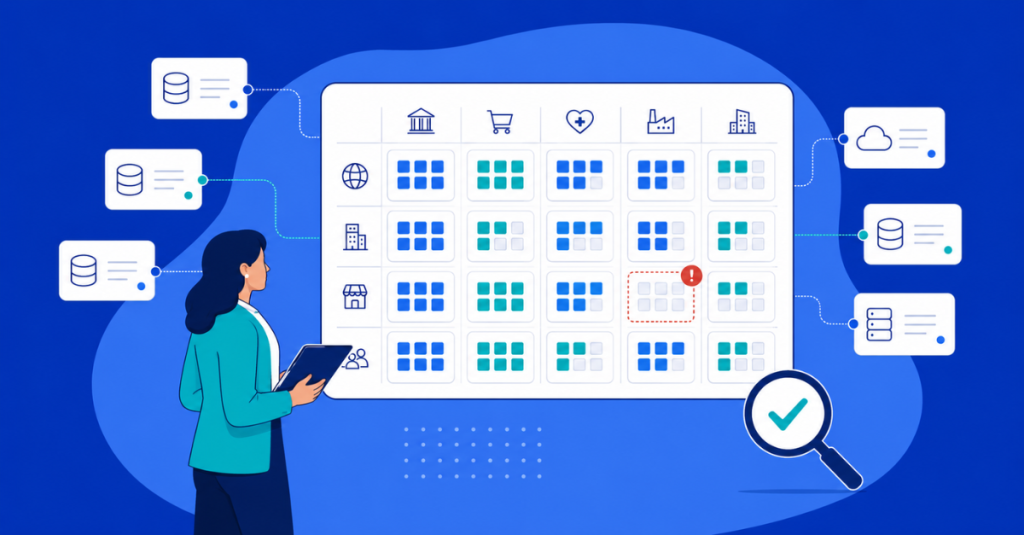
Key Takeaways Data source coverage is often misunderstood as a volume problem. Many organizations assume stronger coverage means adding more

Key Takeaways External source quality determines the reliability of everything built on top of the data. Before a dataset reaches

Key Takeaways Data sourcing programs often expand by accumulation. A new use case appears, another source is added, a vendor
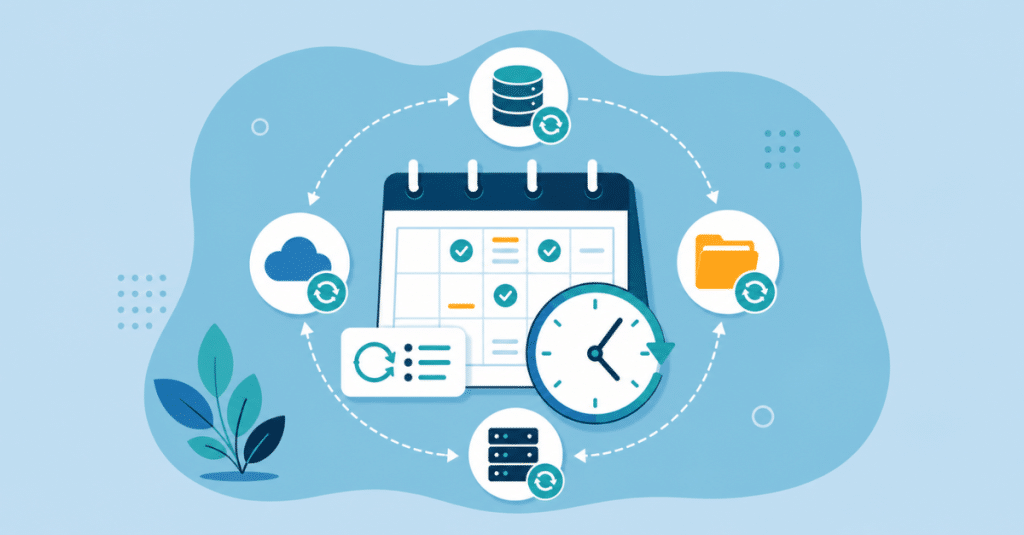
Key Takeaways External data sourcing does not end when a source is identified or connected. The enterprise must also decide

Key Takeaways Enterprise AI systems require more than strong models and large training datasets. They require stable, protected, and trusted

Key Takeaways Enterprise AI systems rarely improve just because more data is added. Dataset expansion creates value only when the

Key Takeaways Enterprise AI systems depend on labels that are consistent enough to define what correct means. A single reviewer

Key Takeaways Diagnostic AI systems are only as reliable as the imaging datasets used to train, validate, and monitor them.

Key Takeaways Mapping and location AI systems depend on more than satellite imagery, GPS traces, street-level photos, or points-of-interest databases.

Key Takeaways Autonomous vehicle perception systems depend on their ability to interpret the road environment accurately, consistently, and fast enough