

How Should Enterprises Choose a POI Data Provider?
Key Takeaways Choosing a POI Data Provider is an infrastructure decision. Enterprise teams are not just buying a list of
Key Takeaways Choosing a POI Data Provider is an infrastructure decision. Enterprise teams are not just buying a list of
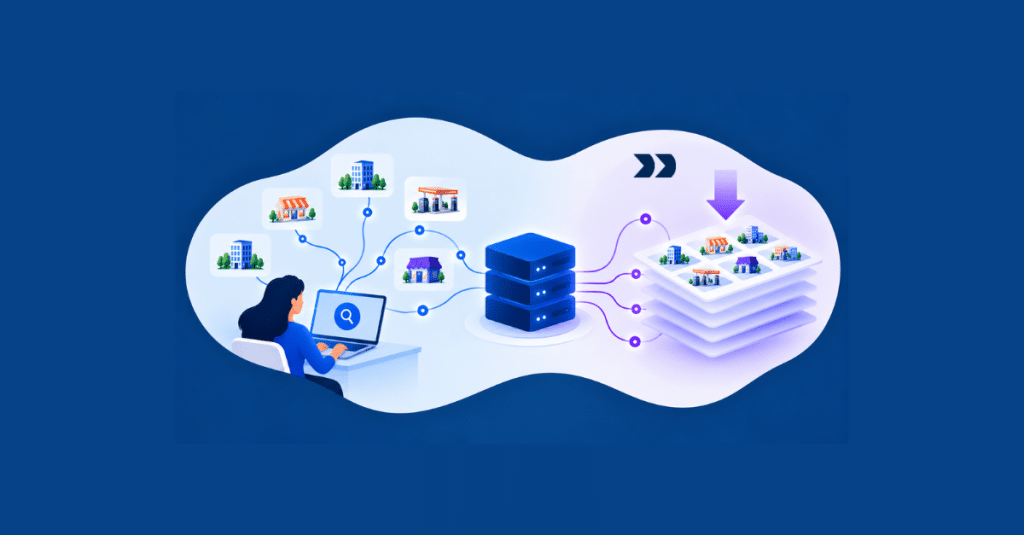
Key Takeaways Enterprises often ask whether they need a Places API or bulk POI data. The answer depends on the

Key Takeaways A Geocoding API turns written addresses into usable coordinates. That conversion looks simple from the outside: submit an

Key Takeaways Address data looks simple until it enters enterprise systems. A record may contain a street name, city, postal
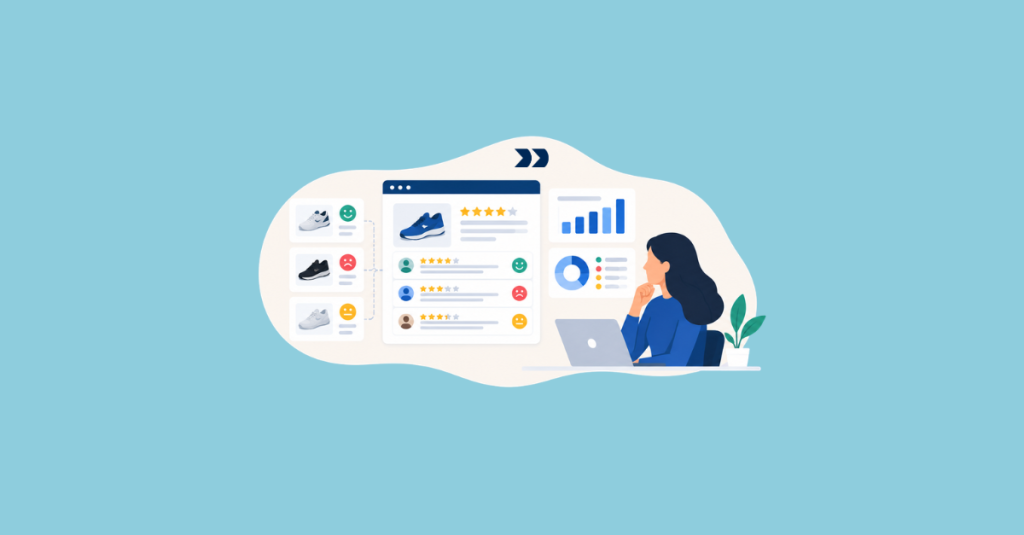
Key Takeaways Competitor reviews can tell retailers things that price, assortment, and availability data cannot. Customers describe products as too
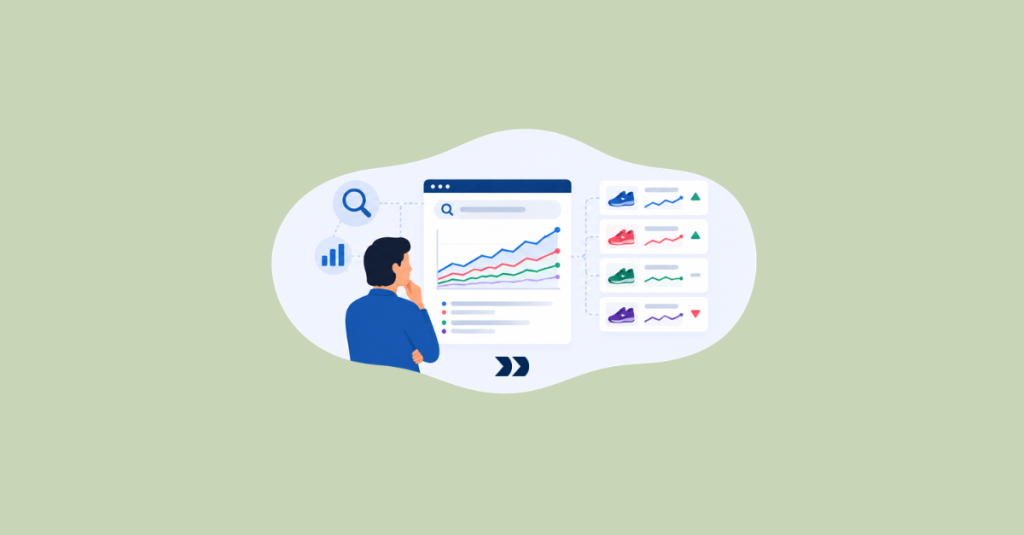
Key Takeaways DTC brands can quickly observe sales, traffic, conversion, and revenue. Those internal measures can’t directly show how search
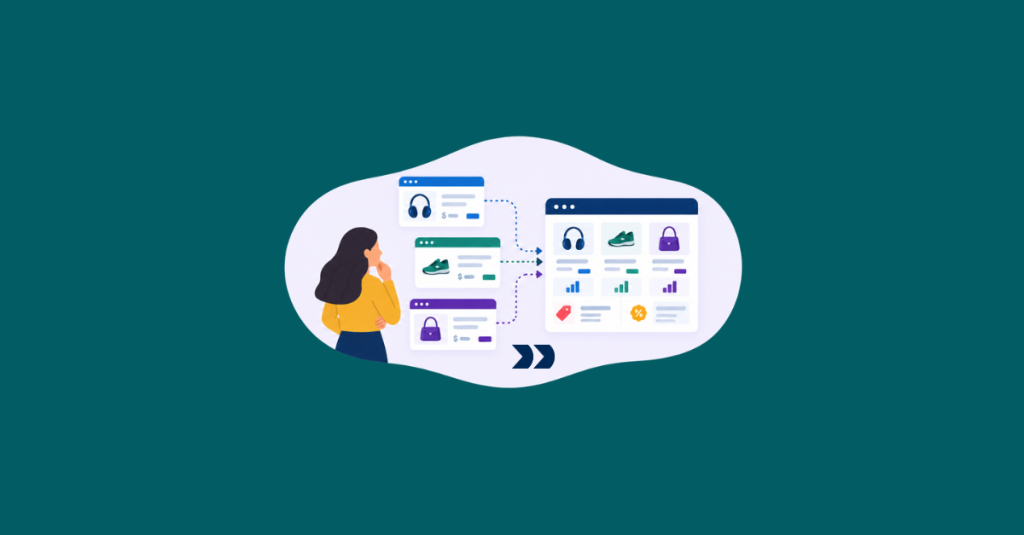
Key Takeaways Merchandising teams make decisions across product range, inventory depth, pricing position, promotions, markdowns, seasonal timing, and category presentation.

Key Takeaways Competitor prices matter, but they are not pricing instructions. A retailer may observe a rival selling the same

Key Takeaways Luxury brands can encounter the same product identity, trademark, imagery, or design across marketplaces, resale platforms, regional ecommerce
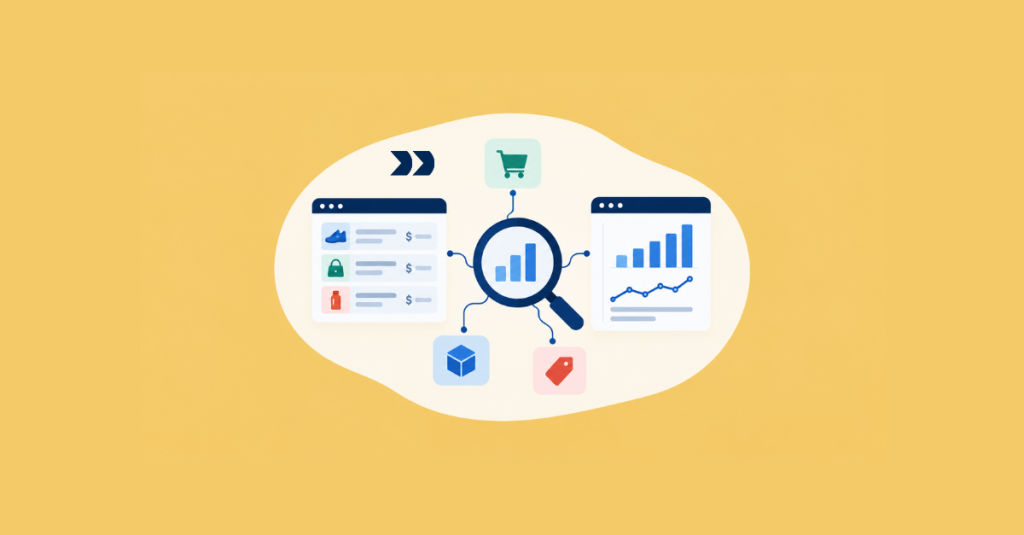
Key Takeaways A competitor may carry more sizes, additional pack formats, another price band, a broader shade range, or product
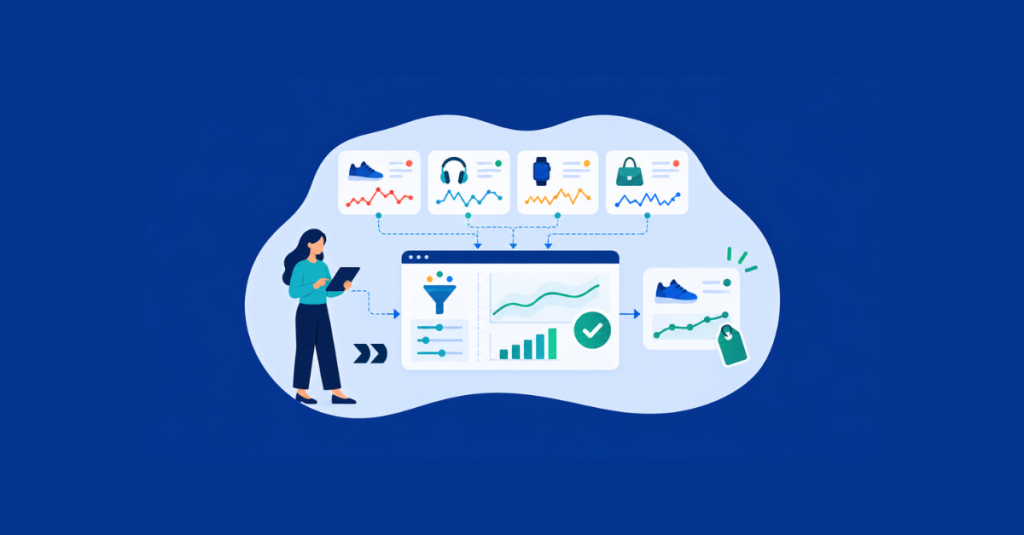
Key Takeaways A competitor lowers a price for six hours. A marketplace seller runs a temporary promotion. A grocery item
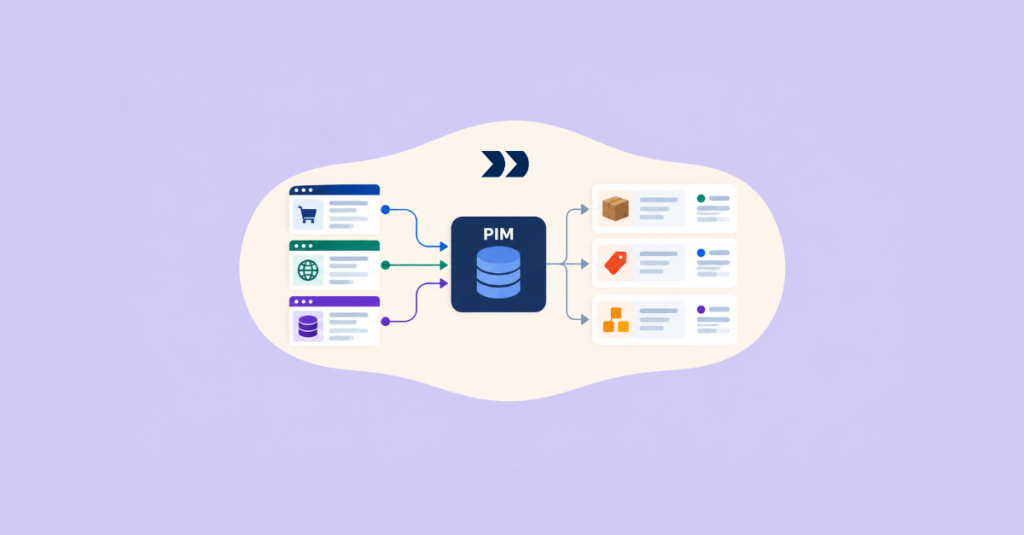
Key Takeaways PIM Should Manage Approved Product Content, Not Blindly Import External Data A competitor product page may expose a
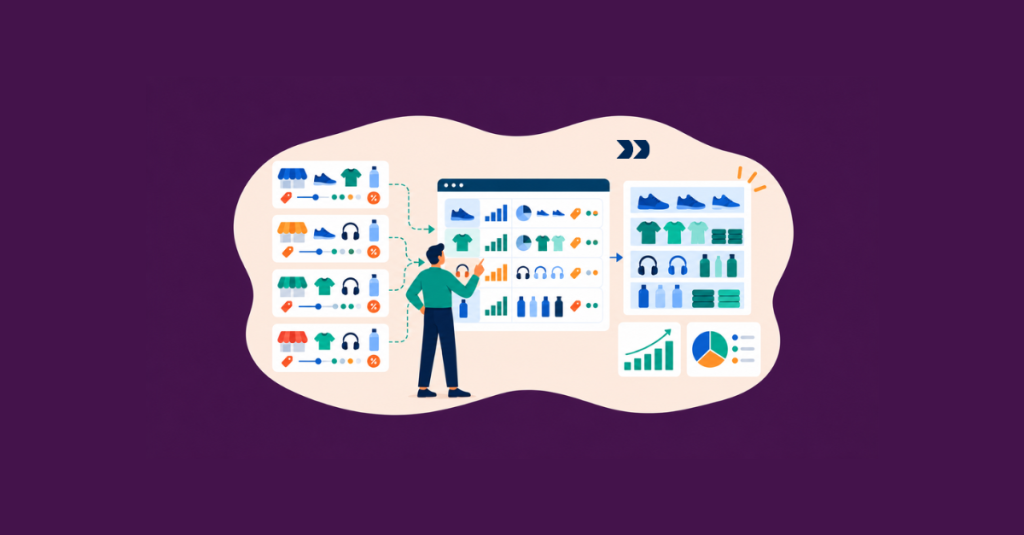
Key Takeaways Internal and external retail data rarely arrive in a form that can simply be joined together. A retailer
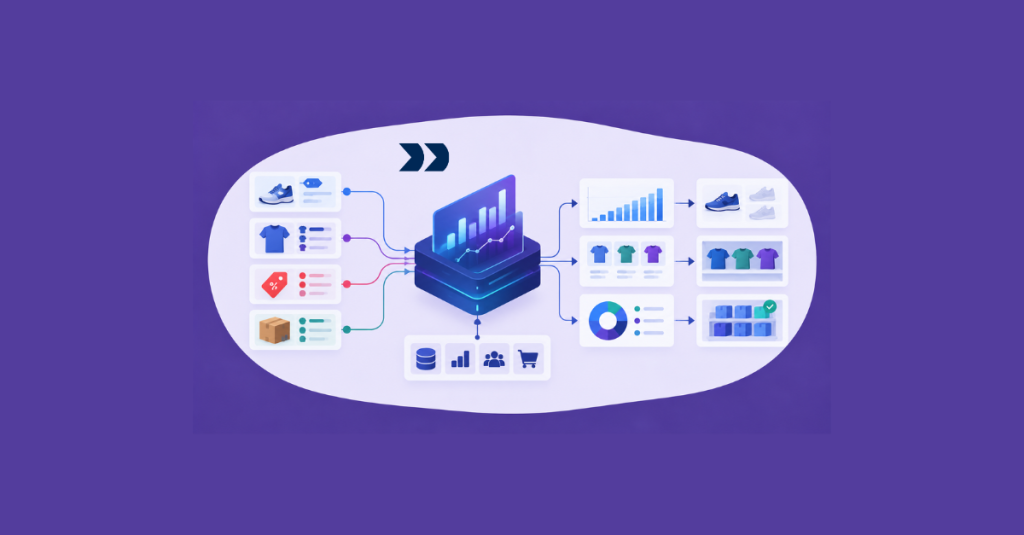
Key Takeaways A category can lose sales while competitors hold prices steady. Another can grow while rivals increase promotions. A

Key Takeaways Electronics brands can encounter the same product across major retailers, marketplaces, third-party sellers, regional storefronts, bundles, refurbished listings,